The three card tarot spread is the most popular layout: three cards in a row, each with a job. Use past, present and future for a timeline, or situation, action and outcome for a decision. On TarotDew it is free and unlimited, with each card's written meaning plus an AI summary of all three. No sign-up.
- Free and unlimited, no sign-up.
- Positions: past, present, future; or situation, action, outcome.
- All 78 cards with reversed meanings, read in position and then as a whole.
Example reading
Question: Should I accept the new job offer?
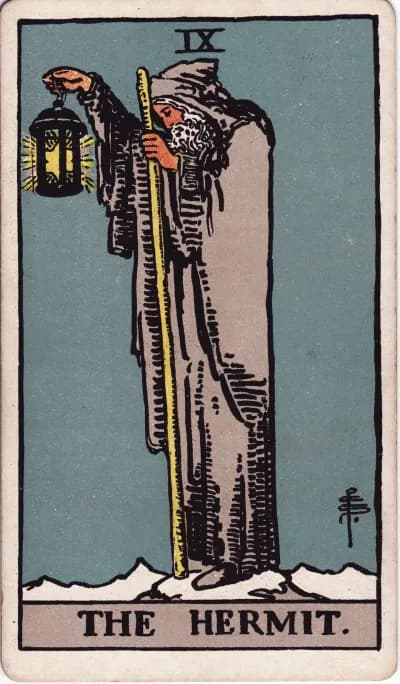
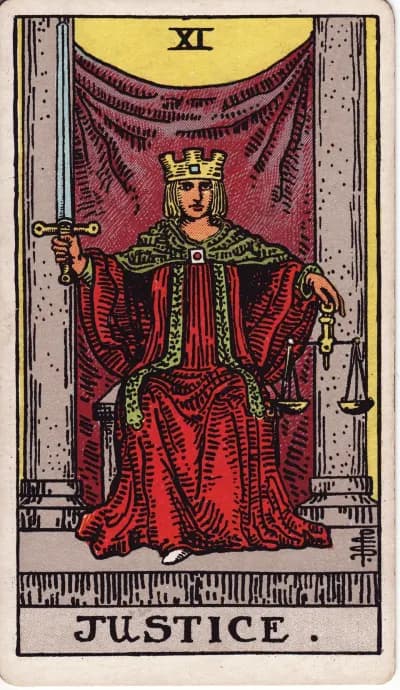
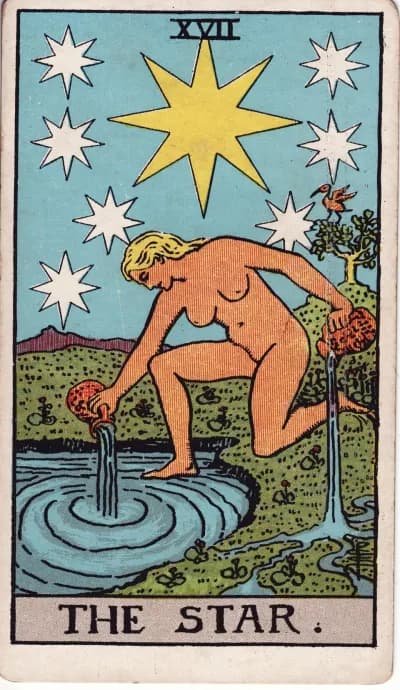
Result: Situation: The Hermit, a period of careful reflection about what you truly want. Action: Justice, weigh the details and choose with fairness to yourself. Outcome: The Star, renewed hope and a sense of direction. The spread leans toward thoughtful choosing. It does not decide for you, but it suggests that a clear, honest look at the terms leads somewhere hopeful.
Two layouts, two kinds of question
TarotDew offers the three card spread in two layouts. Pick the one that matches what you are asking.
| Layout | Card 1 | Card 2 | Card 3 | Good for |
|---|---|---|---|---|
| Past, present, future | What shaped this | Where you are now | Where it is heading | Understanding how a situation unfolded |
| Situation, action, outcome | The core of it | What you can do | Likely result of that choice | Decisions and next steps |
Past, present, future describes time. Situation, action, outcome describes agency. If you feel like things are happening to you, choose the first. If you want to know what to do, choose the second.
How to read the three cards together
A common mistake is to read three separate cards. A three card spread is a sentence, not a list. Try reading it aloud as a story: First this, which leads to that, which opens toward this.
- Read each card on its own using the written meaning for its position.
- Compare their suits and numbers. Same suit across all three emphasizes one area of life. A rising number shows growth.
- Look at the images: do figures face each other, turn away or look in the same direction?
- Read the summary, then re-read the cards and see what you would add.
If all three cards feel positive or all feel heavy, that tells you something too. A mixed spread often means the situation is balanced between hope and effort.
Handling difficult cards in the middle
A difficult card in the present or action position is not a bad omen. It often names the real work. A Five of Swords in the action spot might simply say pick your battles. The Tower in the present spot points to a sudden change that is already underway, and the future card shows what grows afterward.
The outcome card is not a fixed fate. It describes where the current path tends to lead if nothing changes. You can change the path, and that is the point of drawing in the first place.
This is why the action position is so useful. It reminds you that you have a role to play.
It can help to name each card with a single verb, such as release, decide, grow. Three verbs in a row make a surprisingly clear plan, and you can see whether the spread moves from holding on toward letting go, or from uncertainty toward commitment. Reading this way turns the images into something you can act on.
Getting more from your spread
- Write the question before you draw.
- Take one full minute with the cards before opening the summary.
- Ask one follow-up question about the card that confused you most. One is free each day.
- Return to the spread a week later and see how it fits.
When you want a deeper layered look, the Celtic Cross adds ten cards to a single question, and it is free once per day. The three card spread is free and unlimited. TarotDew is for entertainment and self-reflection, and spreads are not predictions.
How TarotDew compares
| TarotDew | chatarot.ai | Tarotap | free-tarot-reading.net | |
|---|---|---|---|---|
| Free use | Unlimited yes/no, 1-card and 3-card | Free tier plus paid credits | Daily: 1 AI reading, 1 yes/no, 1 love | Core readings free |
| Sign-up needed | Never | — | Not required (per site) | — |
| Spreads | 1-card, 3-card, Celtic Cross (1 free/day) | Pick 3 cards after your question | AI picks the spread; Celtic Cross offered | Many spreads |
| AI reading | AI synthesis + 1 free follow-up/day | Yes, spread-aware chat | Yes, with follow-ups | AI app (follow-ups) |
| Shareable result image | 9:16 share image | No | No | No |
| Entertainment disclaimer | Shown under every result | Not seen | In FAQ (professional-advice wording) | Footer link |
Checked on each site's public pages in October 2026; features change, so check them yourself too.
Frequently asked questions
What does a three card tarot spread mean?
It is a layout of three cards, each in a position that gives it a role. Common positions are past, present and future, or situation, action and outcome. The cards are read together as a short story about your question.
What are the three card tarot positions?
The two classic layouts are past, present and future, which maps a timeline, and situation, action and outcome, which maps a decision. TarotDew lets you choose either layout before you draw, and shows the written meaning of each card in its position.
How do I read three tarot cards together?
Read each card in its position, then read the three as one sentence: this led to that, which points toward this. Compare suits, numbers and image direction. Then read the summary and compare it to your own impression.
Is the three card spread good for beginners?
Yes. It is simple enough to learn quickly but rich enough to show relationships between cards. Most readers start here and return to it for years. On TarotDew it is free and unlimited.
Does the outcome card show my future?
No. The outcome card describes where the current path tends to lead, not a fixed fate. You can change your actions and with them the outcome. Tarot here is for entertainment and self-reflection, not prediction.
Can I ask a yes or no question with three cards?
You can, using situation, action, outcome. But for a fast Yes, No or Maybe, the yes or no tarot draw is easier. Use the three card spread when you want to understand why, not just the answer.