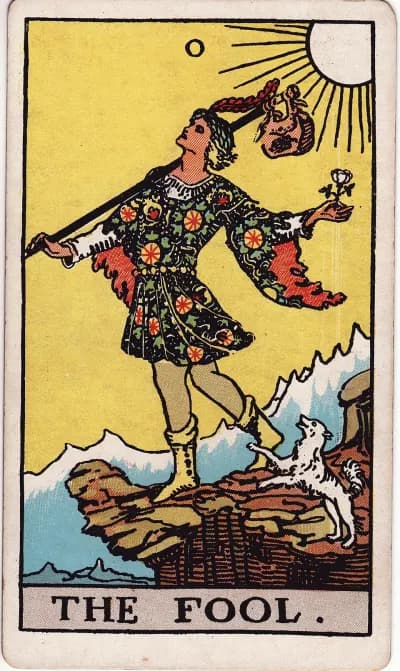
 The Fool
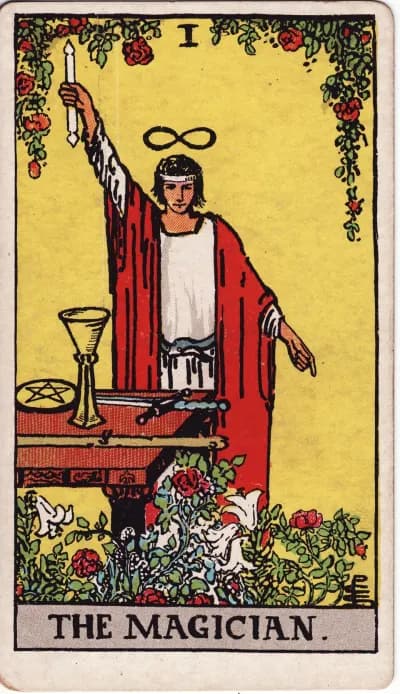 The Magician
 The High Priestess
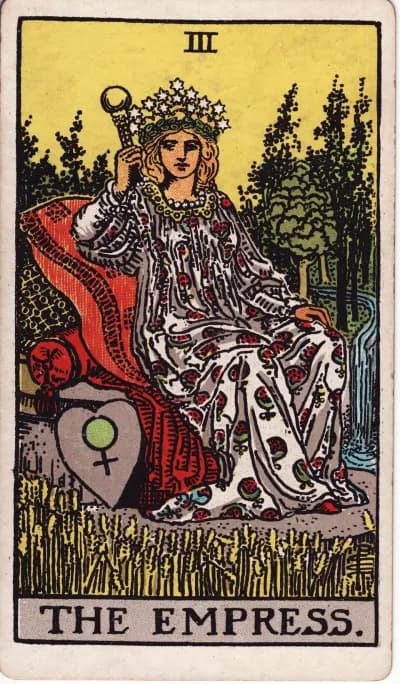 The Empress
 The Emperor
 The Hierophant
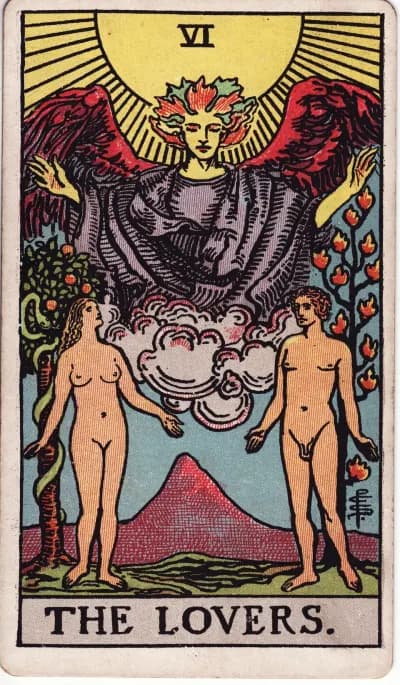 The Lovers
 The Chariot
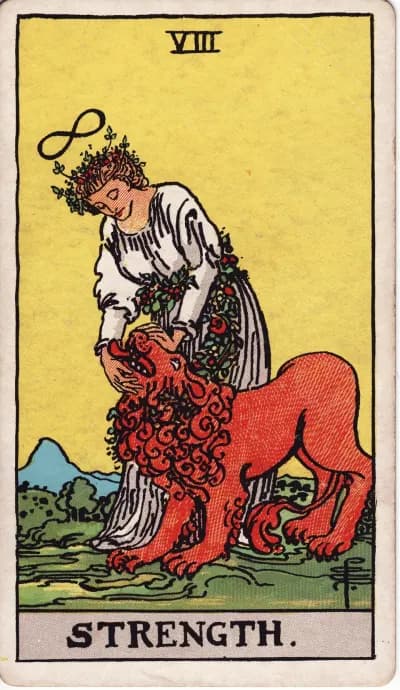 Strength
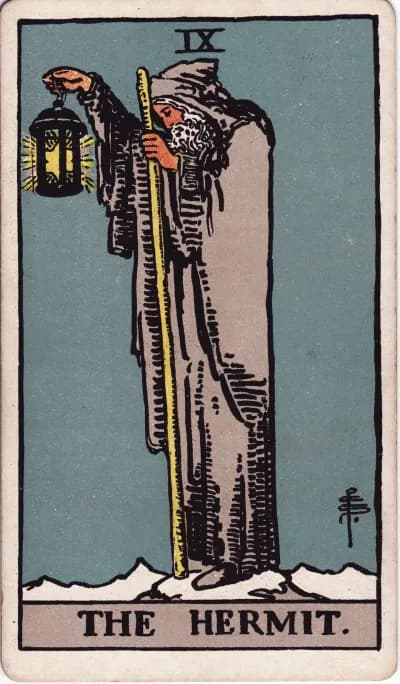 The Hermit
 Wheel of Fortune
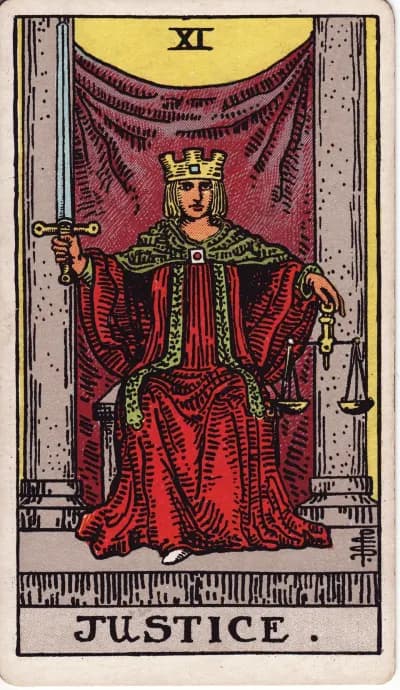 Justice
 The Hanged Man
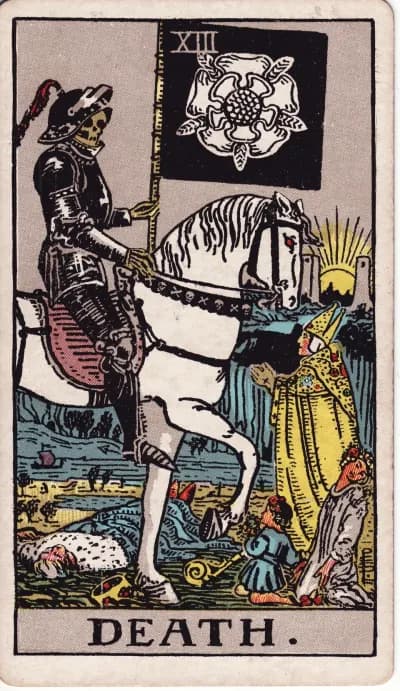 Death
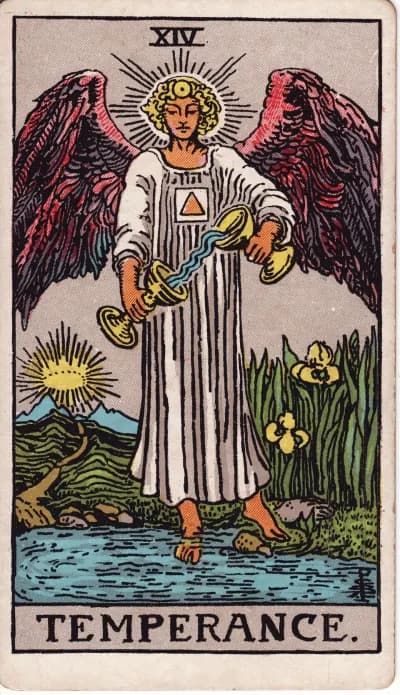 Temperance
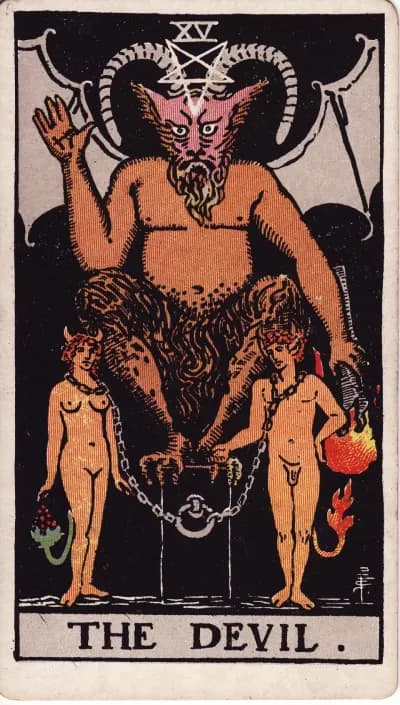 The Devil
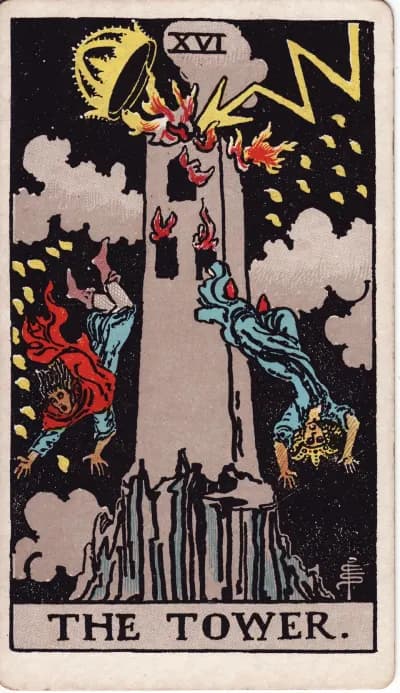 The Tower
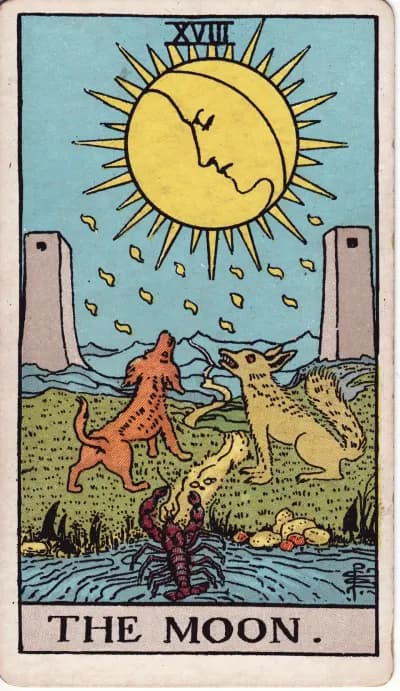 The Moon
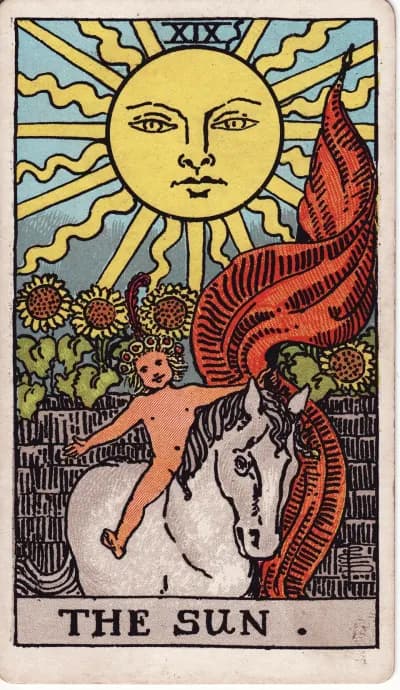 The Sun
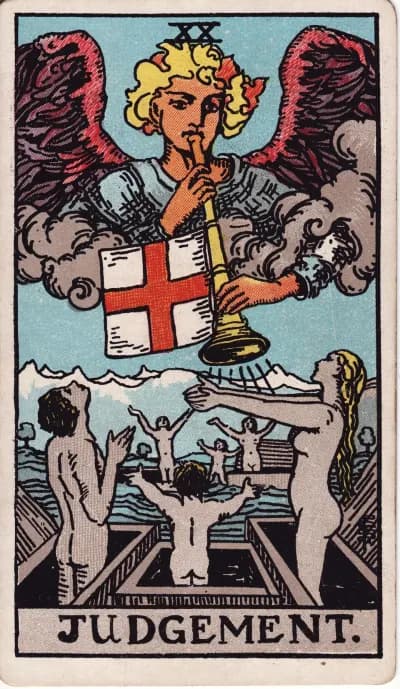 Judgement
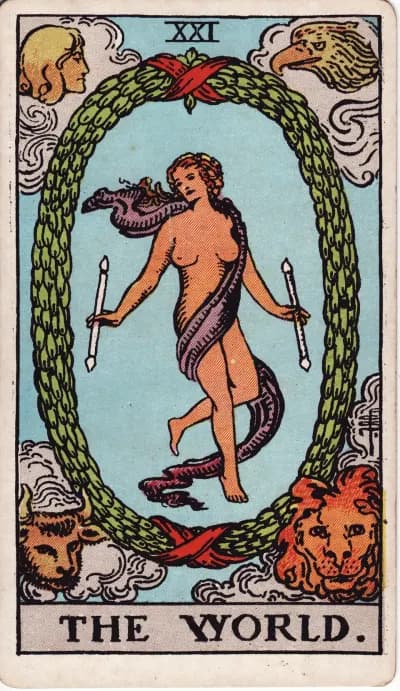 The World
 Ace of Wands
 Two of Wands
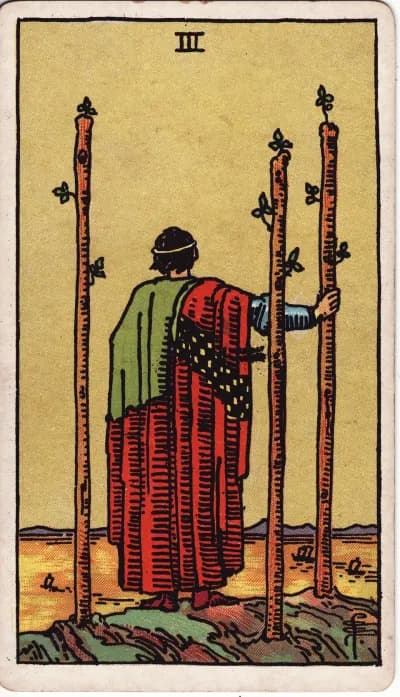 Three of Wands
 Four of Wands
 Five of Wands
 Six of Wands
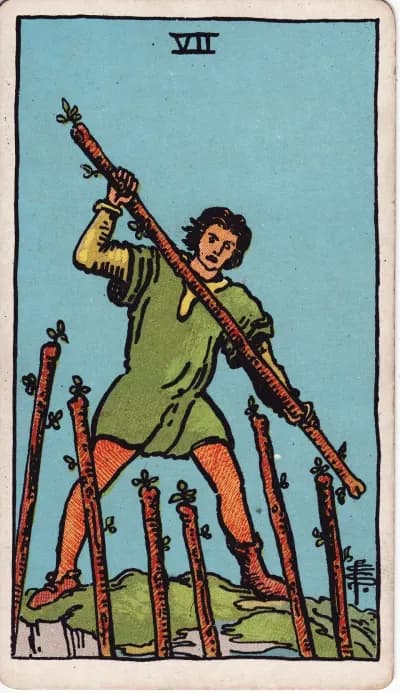 Seven of Wands
 Eight of Wands
 Nine of Wands
 Ten of Wands
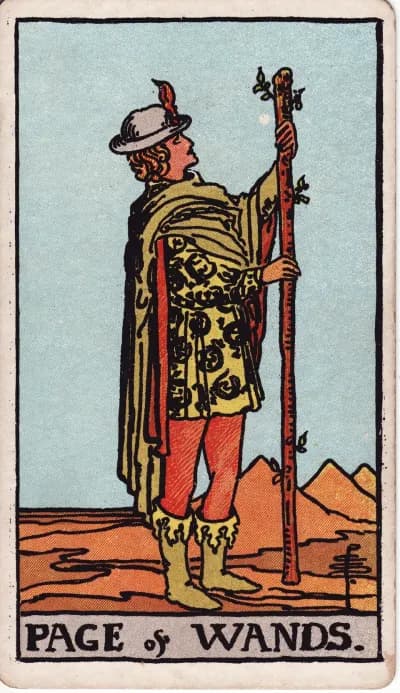 Page of Wands
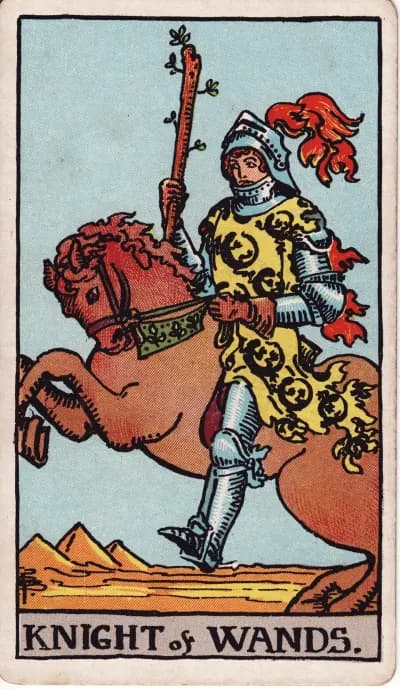 Knight of Wands
 Queen of Wands
 King of Wands
 Ace of Cups
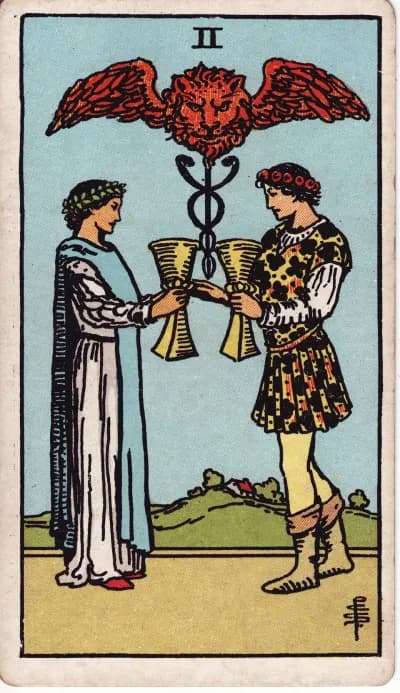 Two of Cups
 Three of Cups
 Four of Cups
 Five of Cups
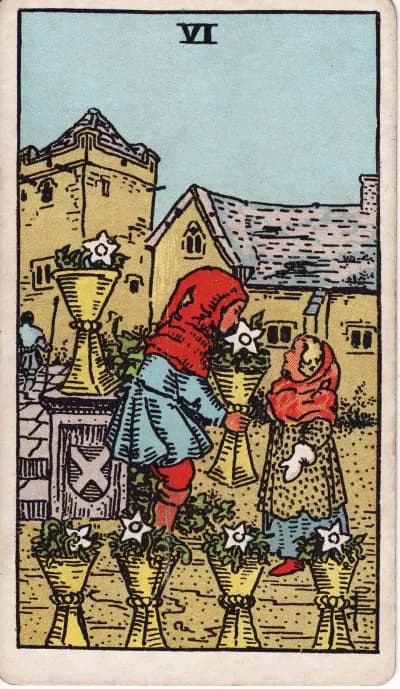 Six of Cups
 Seven of Cups
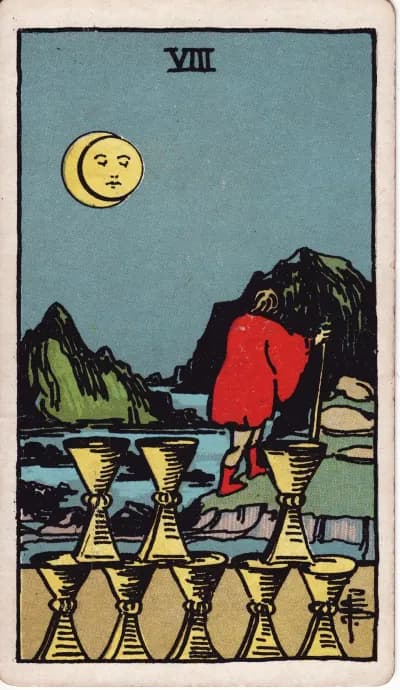 Eight of Cups
 Nine of Cups
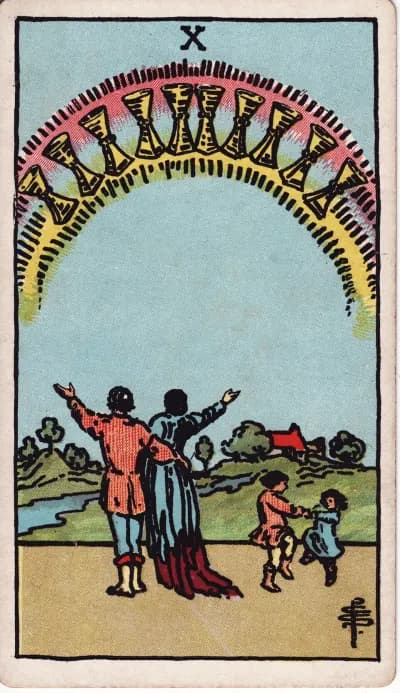 Ten of Cups
 Page of Cups
 Knight of Cups
 Queen of Cups
 King of Cups
 Ace of Swords
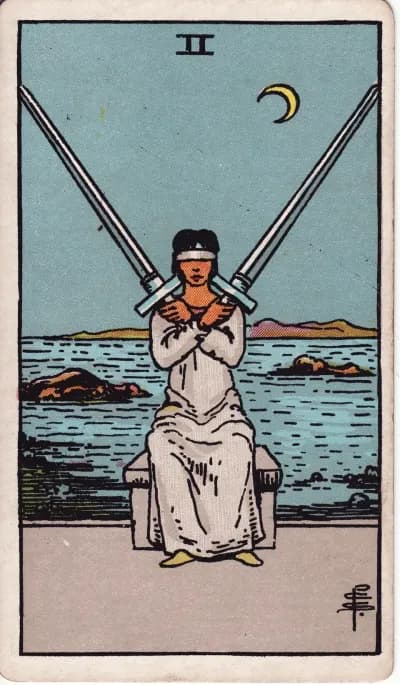 Two of Swords
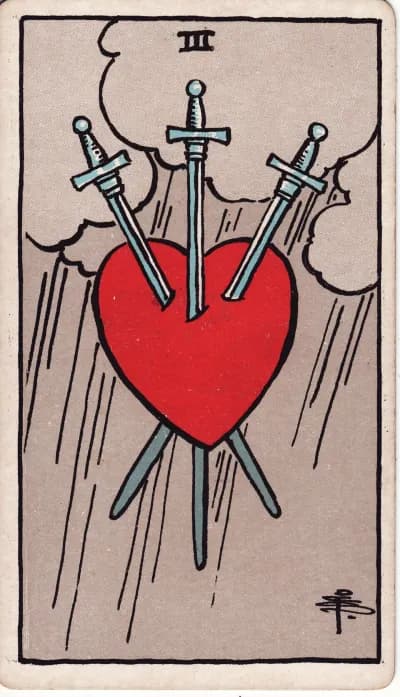 Three of Swords
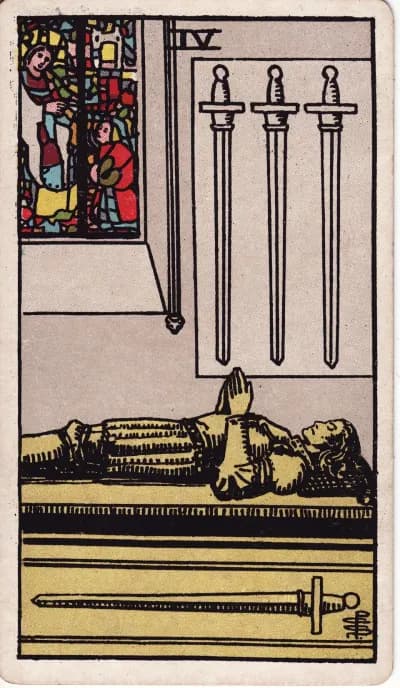 Four of Swords
 Five of Swords
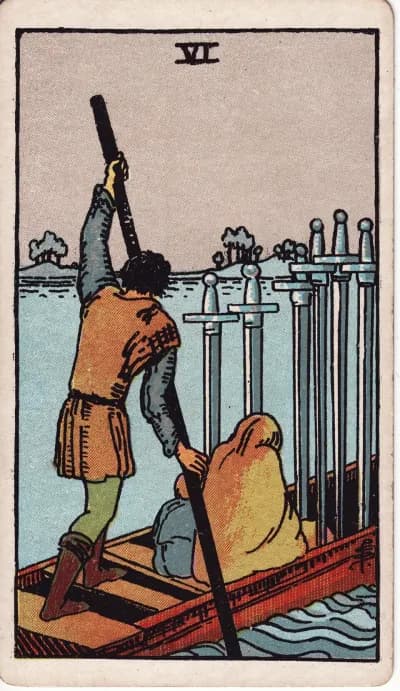 Six of Swords
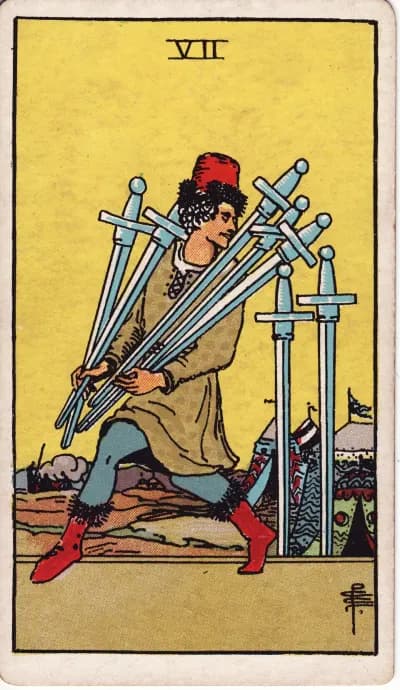 Seven of Swords
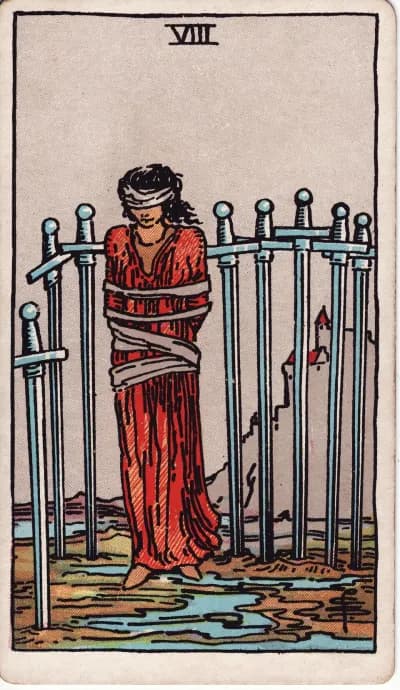 Eight of Swords
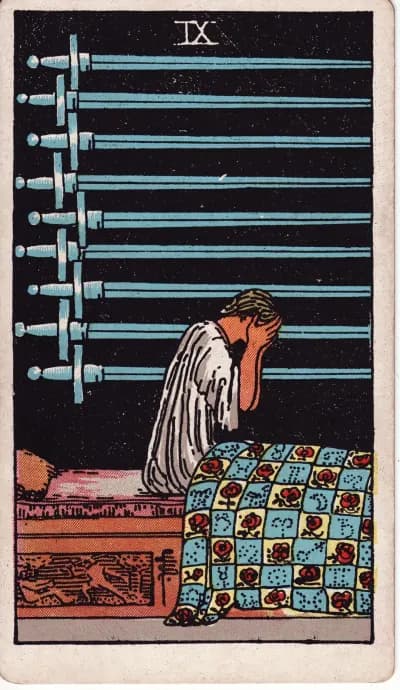 Nine of Swords
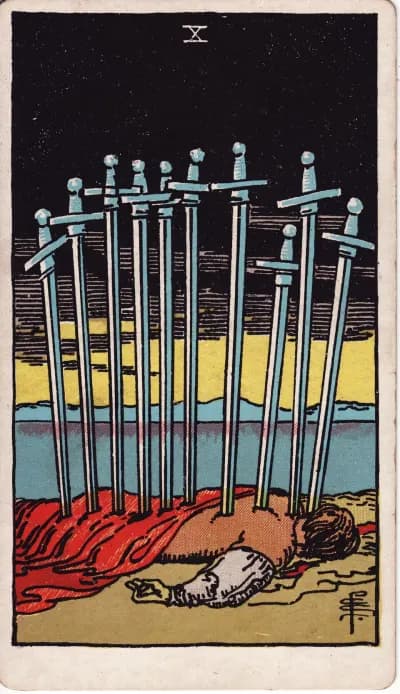 Ten of Swords
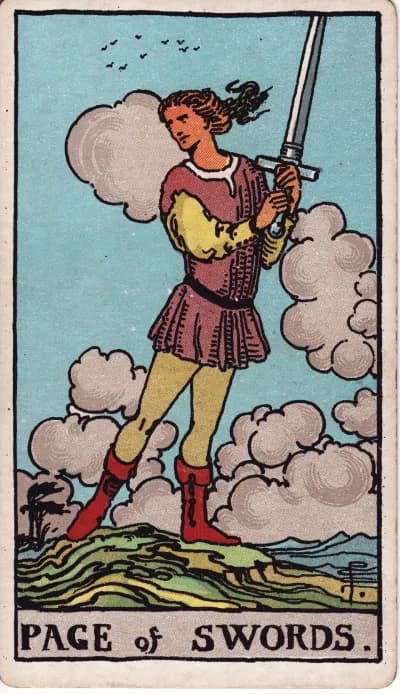 Page of Swords
 Knight of Swords
 Queen of Swords
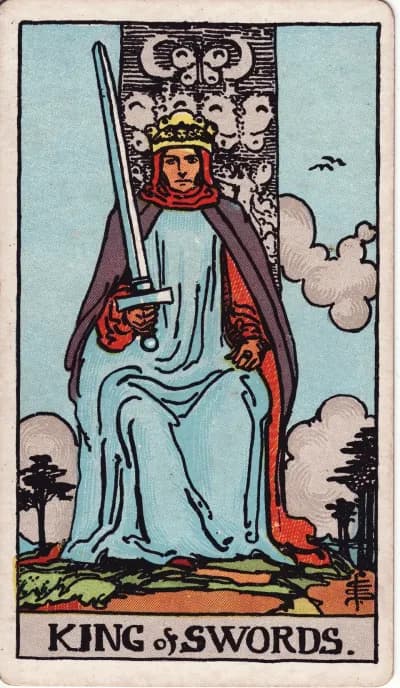 King of Swords
 Ace of Pentacles
 Two of Pentacles
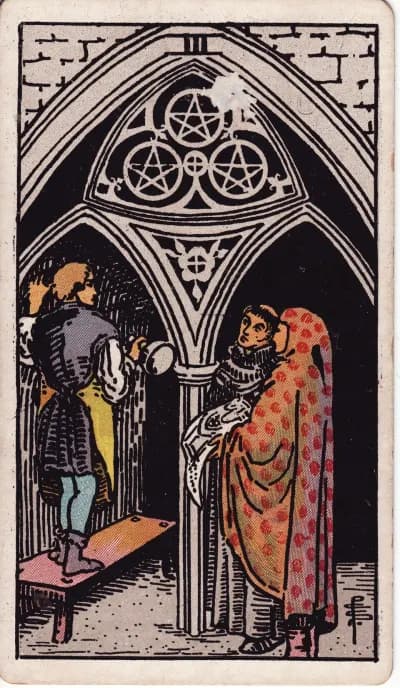 Three of Pentacles
 Four of Pentacles
 Five of Pentacles
 Six of Pentacles
 Seven of Pentacles
 Eight of Pentacles
 Nine of Pentacles
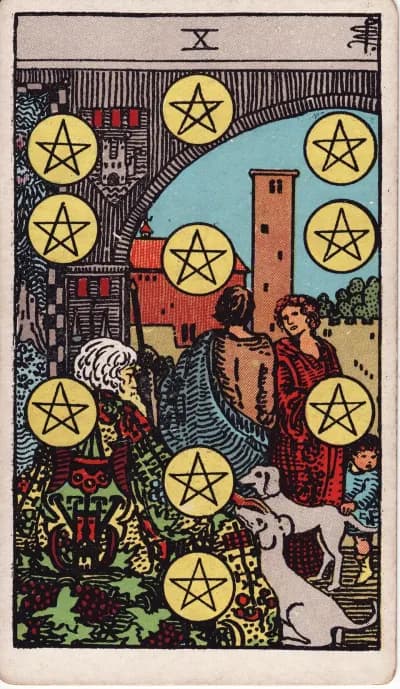 Ten of Pentacles
 Page of Pentacles
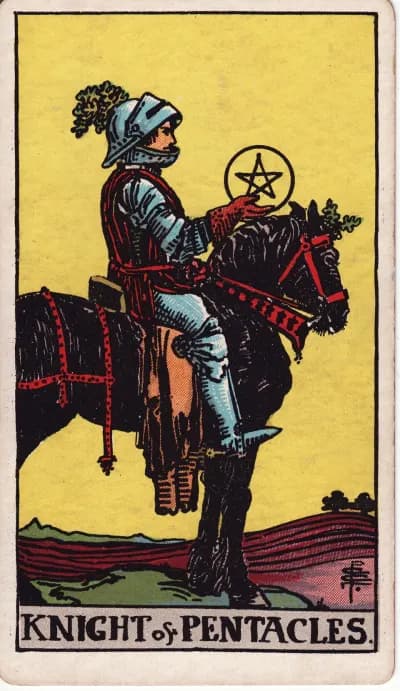 Knight of Pentacles
 Queen of Pentacles
 King of Pentacles
Tarot card meanings explain what each of the 78 cards in a deck symbolizes. TarotDew's library covers every card with five readings: upright, reversed, love, career and yes or no. The text is written by TarotDew and shown with public-domain 1909 Rider–Waite–Smith art. It is free to browse, with no account needed.
- All 78 cards: 22 Major Arcana and 56 Minor Arcana across Wands, Cups, Swords and Pentacles.
- Each card has upright, reversed, love, career, yes-or-no and advice meanings.
- Images are the original 1909 Rider–Waite–Smith deck (public domain); the text is written by TarotDew.
- Free to read, no sign-up.
Example reading
Question: What does The Star mean in tarot?
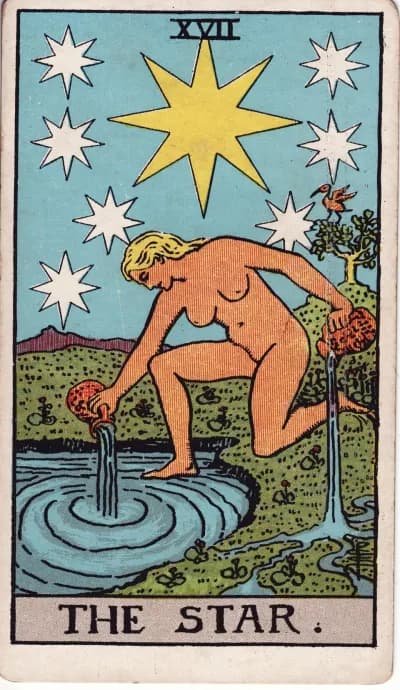
Result: Upright, The Star means hope, renewal and calm trust after a hard stretch. In love, it points to openness and healing. At work, it suggests inspiration and a long-term vision. Reversed, it can mean doubt or feeling disconnected from your hope. As a yes or no card, it leans Yes. It is a symbol for reflection, not a promise. Each card page shows the same five readings for you to compare.
How the 78 cards are organized
A tarot deck is divided into two parts. The Major Arcana has 22 cards that show big life themes. The Minor Arcana has 56 cards in four suits that show everyday experience.
| Group | Cards | What it covers |
|---|---|---|
| Major Arcana | 22 | Big themes and turning points, from The Fool to The World |
| Wands | 14 | Energy, ambition, creativity, drive |
| Cups | 14 | Emotion, relationships, intuition |
| Swords | 14 | Thought, communication, conflict, truth |
| Pentacles | 14 | Work, money, body, practical life |
Each suit runs from Ace to Ten, followed by four court cards: Page, Knight, Queen and King.
What each card page includes
Every card in the library has the same five readings so you can find what you need quickly.
- Upright: the card's core meaning when it appears in the usual orientation.
- Reversed: the same themes in a blocked, internal or delayed form. Not automatically negative.
- Love: how the card reads in questions about romance and relationships.
- Career: how the card reads for work, study and goals.
- Yes or no: whether the card leans Yes, No or Maybe, and why.
The text was written by TarotDew. The card art is the original 1909 Rider–Waite–Smith deck illustrated by Pamela Colman Smith, in the public domain.
When a card appears in a reading, compare its upright and reversed text, then read the love, career or yes or no version that fits your question. Reading two or three of these side by side shows how flexible a card is. A single image can speak about rest, courage or letting go depending on what you bring to it.
How to learn the cards without memorizing
Almost nobody learns 78 meanings by rote. A few habits make it easier and more fun.
- Start with the Major Arcana. They are distinctive and set the tone of a reading.
- Learn the suits as four moods: Wands for action, Cups for feeling, Swords for thinking, Pentacles for the practical.
- Learn numbers as stages: Aces are beginnings, Fives are challenges, Tens are completion.
- Draw one card a day and read its page. By the end of a few months, most cards will feel familiar.
- Look at the picture first and guess before you read the meaning.
That is why the daily card on TarotDew pairs well with this library: each morning you meet a new card and can read the full page for it.
Using meanings in a real reading
Card meanings are starting points, not scripts. The same card changes with its position in a spread, its neighbors and your question. The Tower in a work question might mean a sudden restructure, while in a personal question it might mean an old belief is falling away.
Use this library to check a card after a reading, and let the surrounding cards and your own intuition shape the story. TarotDew is for entertainment and self-reflection, and no card means a guaranteed outcome.
How TarotDew compares
| TarotDew | Labyrinthos | free-tarot-reading.net | Cafe Astrology | |
|---|---|---|---|---|
| Meanings library | Unlimited yes/no, 1-card and 3-card | Card meanings library | Core readings free | Large free text library |
| Sign-up needed | Never | — | — | — |
| Card art | 1909 Rider–Waite–Smith, public domain | Own deck art | — | — |
| Ads | No ads | No ads claimed | — | Many ads |
| Shareable result image | 9:16 share image | No | No | No |
| Entertainment disclaimer | Shown under every result | — | Footer link | Terms only |
Checked on each site's public pages in October 2026; features change, so check them yourself too.
Frequently asked questions
How many tarot cards are there?
A standard tarot deck has 78 cards: 22 Major Arcana cards and 56 Minor Arcana cards. The Minor Arcana has four suits of 14 cards each: Wands, Cups, Swords and Pentacles.
What is the difference between Major and Minor Arcana?
The Major Arcana shows big life themes and turning points, from The Fool to The World. The Minor Arcana covers everyday matters through four suits and tends to describe the details of a situation.
What does a reversed tarot card mean?
A reversed card shows its themes in a blocked, inward or delayed way. It is not automatically negative. Each card page in this library has a separate reversed meaning that explains the shift.
Which tarot cards mean yes?
Warm cards such as The Sun, The Star, Ace of Cups and Ten of Pentacles lean toward Yes. Each card page shows a yes or no reading with an explanation, so you can see why a card leans the way it does.
Which tarot deck do the card images come from?
TarotDew uses the original 1909 Rider–Waite–Smith deck illustrated by Pamela Colman Smith, using public-domain scans. All of the meaning text is written by TarotDew rather than copied from other sources, so the words and the art are both clearly accounted for.
What is the best way to learn tarot card meanings?
Start with the Major Arcana, learn suits as moods and numbers as stages, and draw one card a day. Read the card's page after each draw. Over time, patterns click into place without rote memorization.